Lastest News

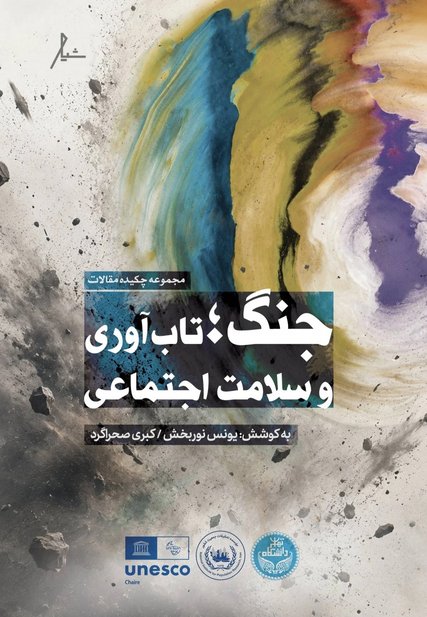
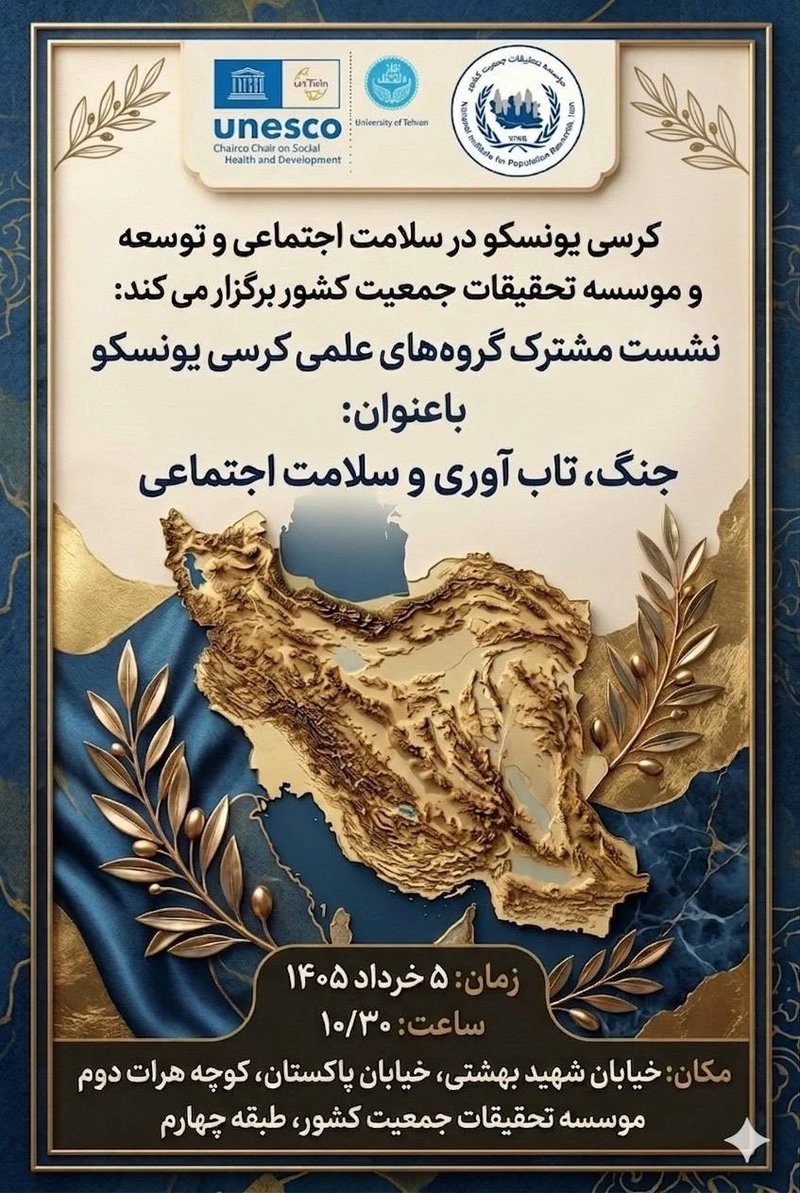
گزارش نشست مشترک گروه‌های علمی کرسی یونسکو با عنوان «جنگ، تاب‌آوری و سلامت اجتماعی»

گزارش نشست مشترک گروه‌های علمی کرسی یونسکو با عنوان «جنگ، تاب‌آوری و سلامت اجتماعی»

01 06 2026 18:27

کد خبر : 229599062

تعداد بازدید : 7

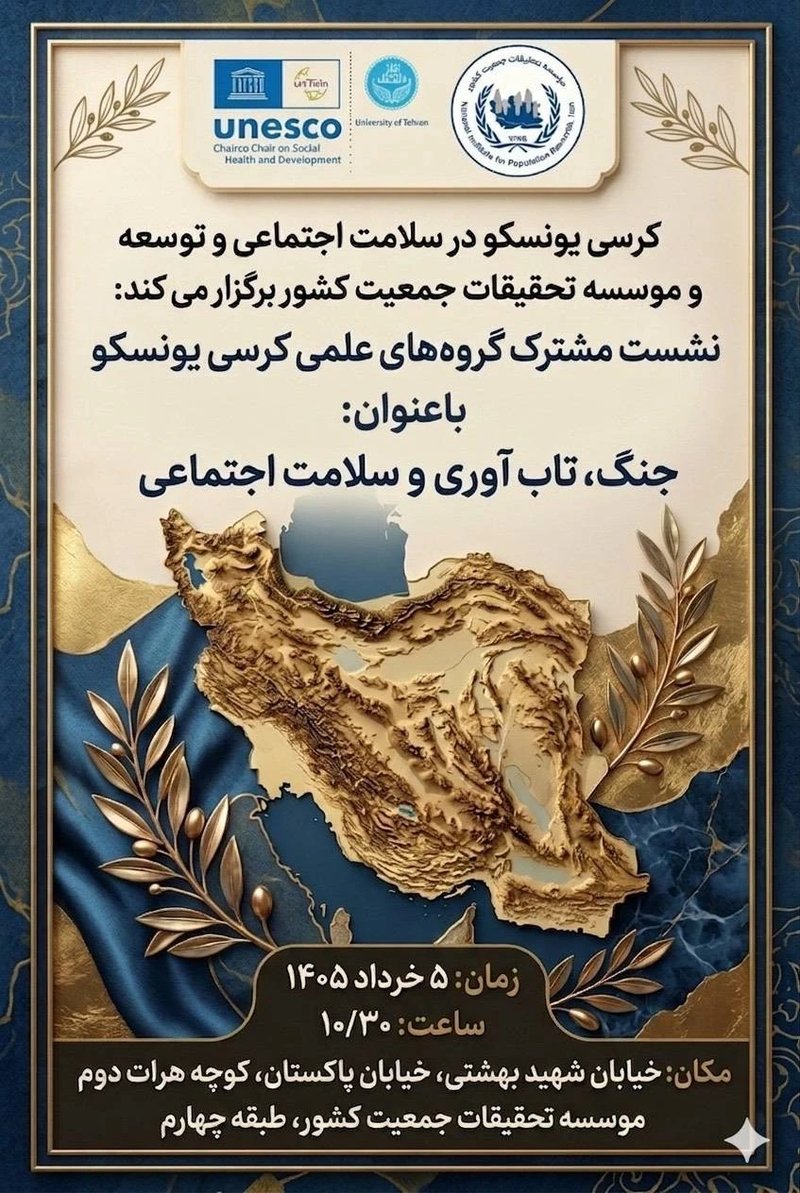
پنجم خرداد ماه ۱۴۰۵

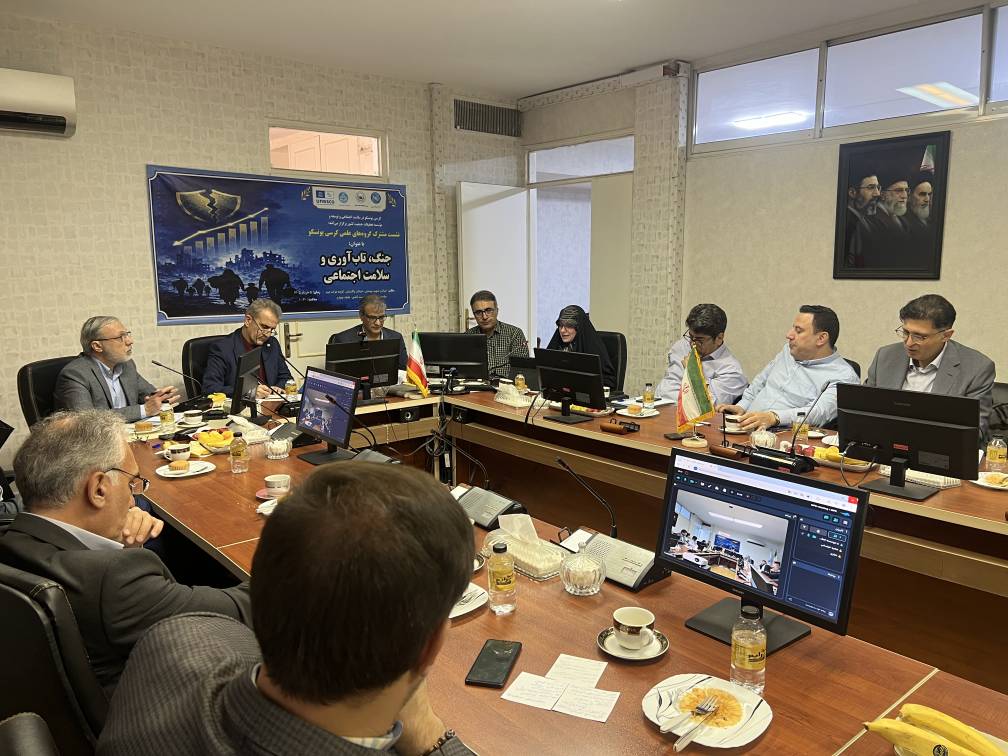
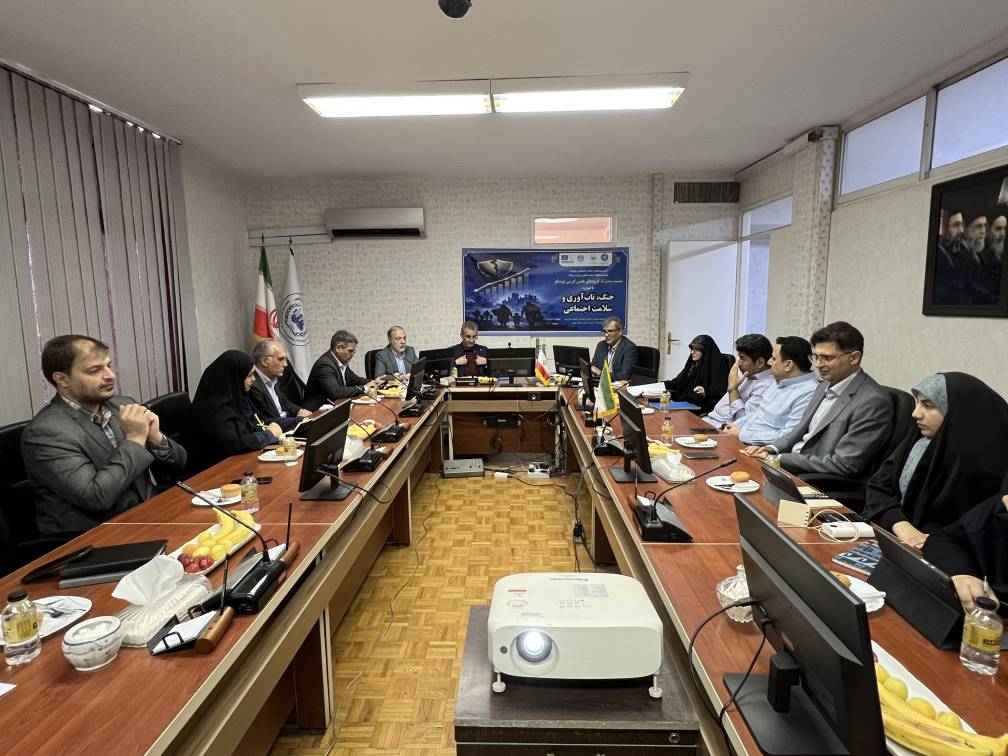
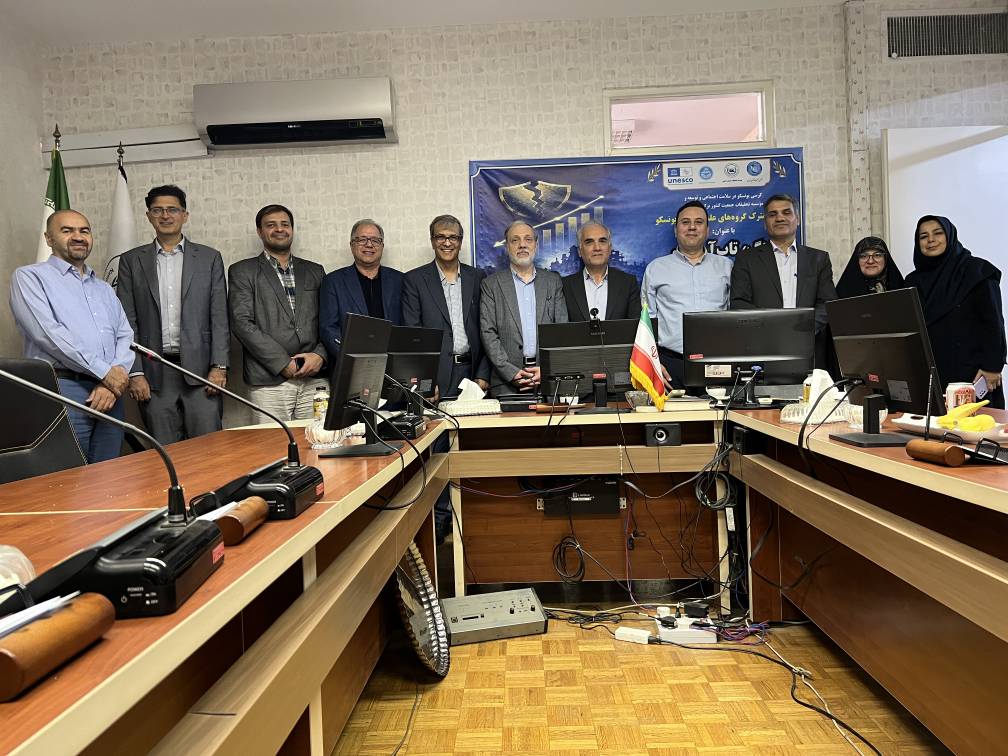
نشست مشترک گروه‌های علمی کرسی یونسکو در سلامت اجتماعی و توسعه و مؤسسه تحقیقات جمعیت کشور با عنوان «جنگ، تاب‌آوری و سلامت اجتماعی» با حضور جمعی از استادان، پژوهشگران و صاحب‌نظران برگزار شد. در این نشست، ابعاد مختلف تاب‌آوری اجتماعی، نقش سرمایه اجتماعی، خانواده، محیط‌زیست، عدالت اجتماعی و حکمرانی در مواجهه با بحران‌ها مورد بحث و بررسی قرار گرفت.


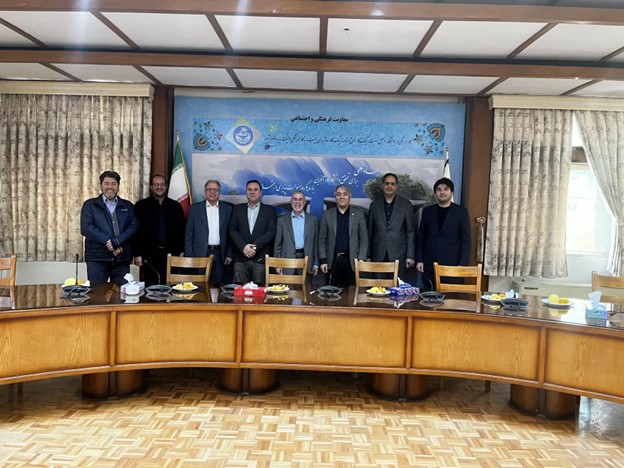
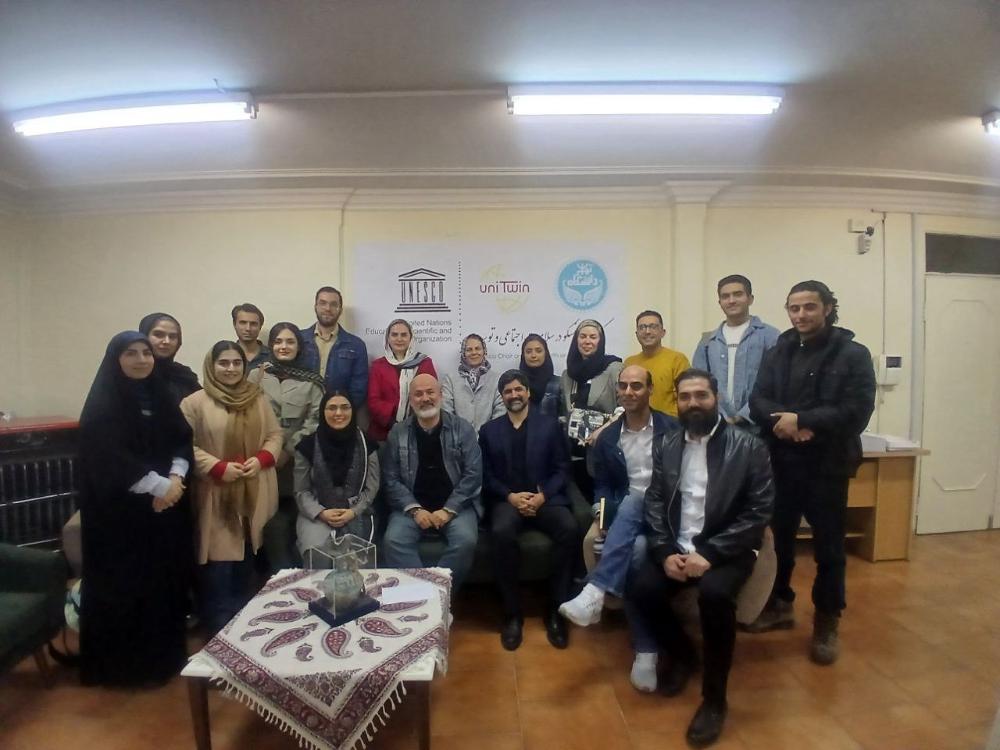
به گزارش روابط عمومی مؤسسه تحقیقات جمعیت کشور، نشست مشترک گروه­ های علمی کرسی یونسکو در سلامت اجتماعی و توسعه با عنوان «جنگ، تاب‌آوری و سلامت اجتماعی»، به میزبانی این مؤسسه و با دبیری دکتر یونس نوربخش (رئیس کرسی یونسکو در سلامت اجتماعی و توسعه) برگزار شد. این نشست، با حضور 15 نفر از استادان و صاحب‌نظران برجسته حوزه‌های علوم اجتماعی، سلامت اجتماعی، جمعیت، محیط زیست و رفاه اجتماعی، با هدف ارزیابی ابعاد گوناگون تاب‌آوری اجتماعی در شرایط جنگ و بحران و بررسی پیوند آن با سلامت اجتماعی برگزار گردید؛ پیوندی که از سرمایه اجتماعی و اعتماد عمومی تا نقش خانواده، شبکه‌های محلی، حکمرانی، منابع حیاتی، نابرابری و سلامت روان را دربر می‌گیرد.
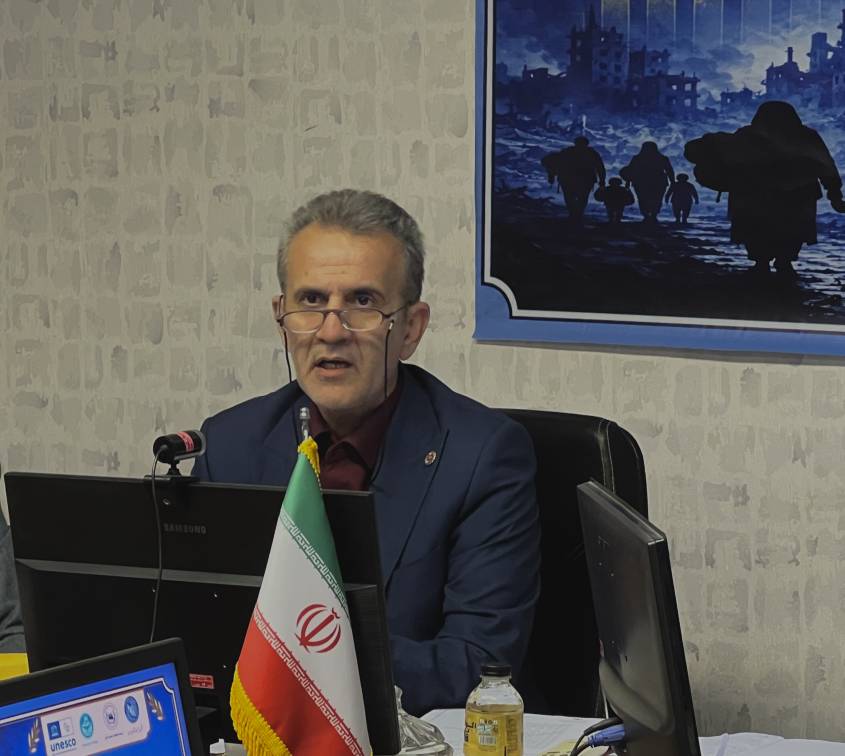
دکتر یونس نوربخش رییس کرسی یونسکو در سلامت اجتماعی در ابتدا ضمن تشکر از میزبانی موسسه جمعیت و تشکر از حضور اعضای گروه‌های علمی کرسی و اساتید موسسه جمعیت این نشست را در راستای سلسله نشست های کرسی با موسسات تحقیقاتی دانست و افزود:

  • تاب آوری در جامعه ایران ریشه در فرهنگ مقاومت، هویت ملی و ظرفیت‌های عمیق تاریخی ـ فرهنگی این سرزمین دارد و صرفا یک واکنش احساسی در جنگ نبود. برای درک تاب آوری می توان نقطه مقابل آن را بررسی کرد که شکنندگی، فرسودگی اجتماعی است.
  • جامعه تاب‌آور، در برابر شوک‌ها نمی‌شکند؛ آن‌ها را جذب و مدیریت می‌کند.
  • ثبت و بازنمایی تجربه‌های تاب‌آوری، حافظه جمعی جامعه را تقویت می‌کند.
  • فشارهای مستمر و حل‌نشده، در صورت عدم تبدیل شدن به فرصت‌های بازسازی و توسعه، منجر به فرسودگی اجتماعی می‌شود.
  • ضرورت تاب‌آوری هوشمندانه برای بقا، بازسازی و توسعه بیش از پیش احساس می‌شود

   دکتر رسول صادقی، رئیس مؤسسه تحقیقات جمعیت کشور، در آغاز نشست، ضمن معرفی ظرفیت‌ها و رویکردهای علمی مؤسسه، بر اهمیت ورود نهادهای علمی به مسائل روز جامعه و تداوم گفت‌وگوهای تخصصی درباره پیامدهای اجتماعی بحران‌ها و بازآفرینی اجتماعی پساجنگ تأکید کرد.
در ادامه این نشست، هریک از سخنرانان با طرح دیدگاه‌های خود بر این نکته تأکید داشتند که جنگ نباید صرفاً به‌عنوان یک رخداد نظامی یا سیاسی دیده شود، بلکه باید آن را به‌مثابه مسئله‌ای اجتماعی، روانی و نهادی فهم و تحلیل کرد.
دکتر موسی عنبری، استاد گروه مطالعات توسعه اجتماعی دانشگاه تهران و معاون الگوی ایرانی- اسلامی پیشرفت، دکتر سیداحمد فیروزآبادی، دانشیار و مدیرگروه مطالعات توسعه اجتماعی دانشگاه تهران و دکتر فاطمه ترابی، استاد جمعیت شناسی دانشگاه تهران و معاون پژوهشی موسسه تحقیقات جمعیت کشور، به بررسی مؤلفه‌های کلیدی تاب‌آوری پرداختند؛ از جمله ضرورت گذار از تاب‌آوری مبتنی بر تحمل به تاب‌آوری معطوف به پیشرفت و توسعه، نقش سرمایه اجتماعی، اعتماد، مشارکت اجتماعی و شبکه‌های خویشاوندی در حفظ انسجام و کاهش نااطمینانی، و نیز تأثیر چالش‌های جنگ بر تصمیم‌های جمعیتی خانواده.

همچنین، دکتر امین پاداش، عضو گروه علمی محیط زیست کرسی یونسکو،  و دکتر عباس فقیه خراسانی، دانش ­آموخته مطالعات توسعه اجتماعی دانشگاه تهران بر اهمیت محیط زیست و حکمرانی بهره‌ورانه منابع حیاتی (به‌ویژه آب) در شرایط بحران تأکید کردند و دکتر کبری صحراگرد، دانش آموخته دکترای جامعه شناسی از دانشگاه تهران، یادآور شد که بحران‌ها نابرابری ‌های پیشینی را آشکار و تشدید می ‌کنند و تقویت تاب ‌آوری بدون توجه به عدالت در دسترسی به منابع امکان‌پذیر نیست.
دکتر حسین ایمانی جاجرمی، دانشیار مطالعات توسعه اجتماعی و رئیس موسسه مطالعات و تحقیقات اجتماعی دانشگاه تهران ، در سخنان خود با طرح مفهوم «حکمرانی تاب‌آور»، بر اهمیت رهبری محلی و نقش محله‌ها در مواجهه با بحران تأکید کرد. وی با اشاره به تجربه جنگ‌های اخیر، خلأ میان دولت و خانواده در سطح محله را یکی از ضعف‌های جدی مدیریت اجتماعی بحران دانست و خواستار تقویت آمادگی اجتماعی و بازطراحی نهادی شد.
در ادامه، دکتر عادل عبداللهی، دانشیار جامعه شناسی و مدیر امور پژوهشی موسسه تحقیقات جمعیت، به لزوم بازتعریف تاب‌آوری در شرایط هم افزایی بحران ها با توجه به شاخص‌هایی چون کیفیت حکمرانی، اعتماد و انسجام اجتماعی اشاره کرد و خانم دکتر حاج‌حیدری، روان شناس، تاب‌آوری را فرآیندی اجتماعی دانست که بر نقش خانواده و شبکه‌های محلی در بازسازی همدلی و کاهش اضطراب تأکید دارد. دکتر سیدحسن موسوی چلک، رئیس انجمن مددکاران اجتماعی ایران و معاون سلامت اجتماعی سازمان بهزیستی کشور، نیز بر ضرورت پرهیز از کاهش تاب‌آوری به سطح فردی تأکید کرد و از تدوین بسته راهبردی مدیریت بحران برای تداوم خدمات در سازمان بهزیستی خبر داد.
در پایان، دکتر محمدرضا سعیدآبادی، عضو هیئت علمی دانشکده مطالعات جهان دانشگاه تهران، امید به آینده را مؤلفه کلیدی تاب‌آوری اجتماعی دانست و دکتر یونس نوربخش در جمع‌بندی نهایی نشست، ضمن تأکید بر اهمیت مستندسازی تجربه‌ها و تقویت حافظه جمعی، تصریح کرد که برای پیشگیری از فرسودگی اجتماعی باید به سمت تاب‌آوری هوشمندانه و بازنمایی بین‌المللی روایت‌های انسانی در بحران حرکت کرد.
جمعبندی این نشست، تبیین علمی ابعاد مختلف تاب‌آوری اجتماعی در شرایط جنگ بود و نشان داد عبور از بحران‌های پیچیده امروز، بدون تقویت حکمرانی تاب‌آور، سرمایه اجتماعی، انسجام خانواده و محله، و امید به آینده امکان‌پذیر نیست.

نمایش کامل گزارش

جهت مطالعه خبرنامه نشست کلیک کنید


Tags

NEWS

Scientific content

— 10 Items per Page
Showing 1 - 10 of 24 results.
More content

Introduction

The UNESCO Chair in Health and Social Development began its activities in 2016 with the participation of the University of Tehran and the UNESCO-Iran National Commission. With the aim of joining the global network of UNESCO academic chairs and using national capacities in the field of natural and social sciences, this chair examines the fundamental issue of social health of citizens and the national development process from different angles. By holding specialized meetings at the national and international levels, carrying out related research projects, creating research and operational infrastructures for those interested in carrying out humanitarian activities in order to promote social health and development of the country, and sending professors and students to national and regional centers. In the fields of research, it will take an important step towards the country's lofty goals in creating scientific-research platforms for sustainable national development. Dr. Younes Nourbakhsh, a member of the faculty of the Faculty of Social Sciences of the University of Tehran, chairs this chair. The executive structure of the UNESCO Chair in Health and Social Development includes education, research, scientific committees, as well as international relations and public relations departments.

Scientific group


The scientific groups of the UNESCO Chair in Health and Social Development are specialized departments that are formed to research and study issues related to the subject of the chair. These groups were formed to bring together the country's scientific and executive elites with the UNESCO Chair in Health and Social Development to advance common goals. The scientific groups define, develop and implement educational, research, extension and international programs in defined specialized areas with the presence of experts and researchers.

International Group


Since the UNESCO Chair in Health and Social Development intends to expand its activities by expanding its relations with international chairs in related fields and cooperating with government organizations and institutions as well as the private sector related to improving the quality of life of citizens, a Relations and Public Relations section has been defined in the structure of the chair. Defining joint training workshops and interdisciplinary research with domestic and international universities and chairs, as well as following up on the chair's joint memorandums of understanding with educational and research institutions, and responding to interested parties are among the duties of these sections.

Education Department

The United Nations has announced the 2030 Sustainable Development Goals in programs to reduce poverty and hunger, improve health and well-being, improve the quality of education, achieve gender equality, access to safe drinking water, clean and affordable energy, economic growth and decent work for all, develop industrial infrastructure and innovation, reduce inequality, sustainable communities and cities, produce and consume responsibly, strive to protect the environment, preserve water resources and life on a clean earth, promote social justice, support powerful organizations to protect peace, and ultimately strive to attract participation to achieve these goals. The UNESCO Chair in Social Health and Development at the University of Tehran intends to take an effective step in partnership with the Faculty of Social Sciences of the University of Tehran to educate interested parties to increase awareness of the steps to achieve sustainable development in developing countries. The most important activities of the education sector include providing educational services (including holding workshops and short-term training courses) to government agencies, organizations, and centers, and private enterprises on the subject of development and social health, providing consulting services to government and non-government agencies, raising awareness of the local community on the subject of development and social health through promotional activities in cooperation with non-governmental organizations and popular institutions, and cooperating with academic and educational centers in developing educational syllabuses related to development and social health...

Research Department


Social health determinants (SHD) refer to the conditions in which people are born, grow up, find a job, live and age. They also refer to the broad structures that shape such conditions for everyday life. These structures can include policies and economic systems of societies, development programs, social norms and cultural, social and political policies. Social health determinants play an effective role in the global agenda for sustainable development of societies. Therefore, one of the effective factors in achieving the Sustainable Development Goals is the promotion of the social health of citizens. The Research Section of the UNESCO Chair in Social Health and Development was established with the aim of supporting research projects and theses related to the subject of this Chair, as well as organizing and conducting research in the field of social indicators of health and sustainable development in cooperation with relevant organizations and institutions.